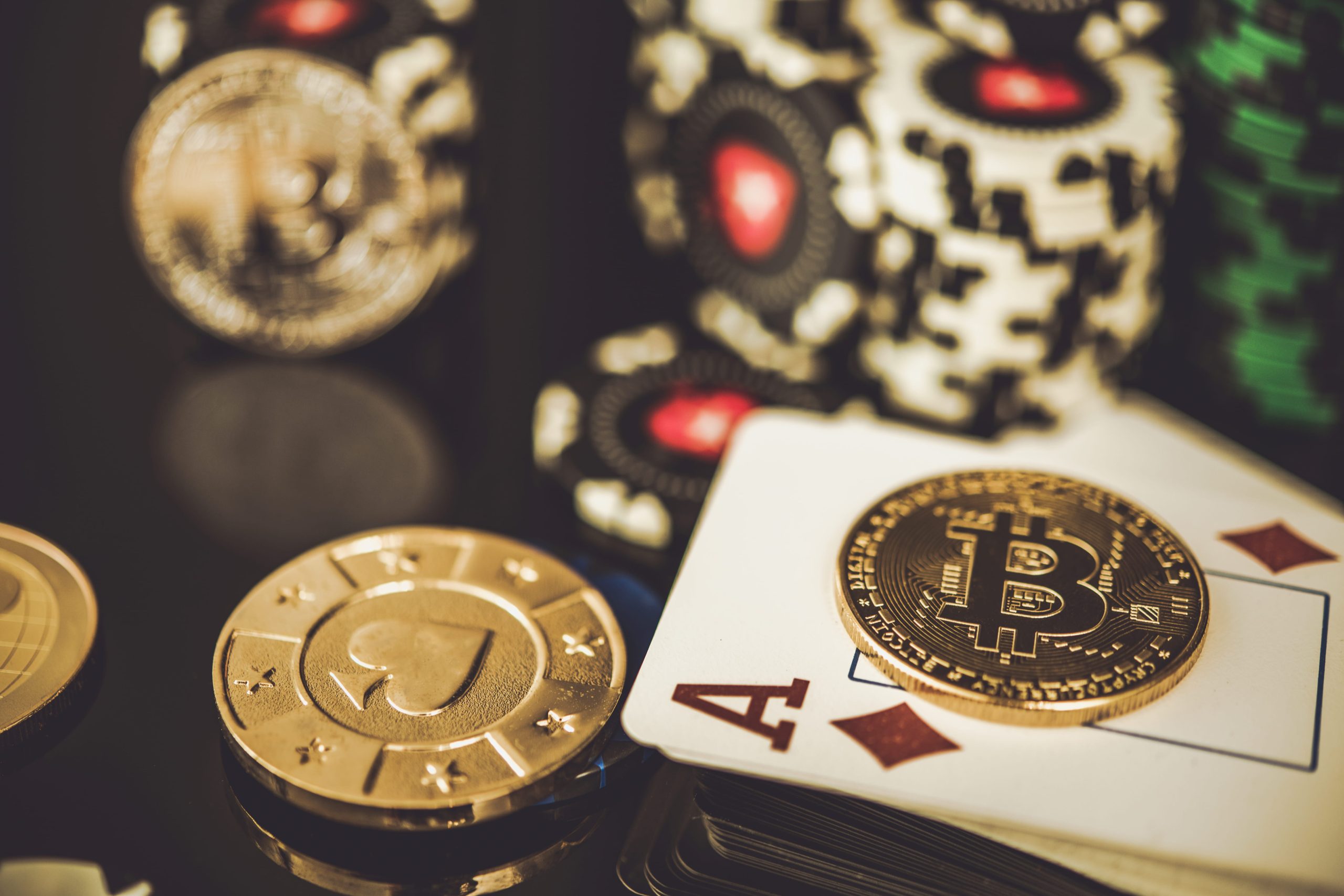
The online gambling industry has undergone a massive evolution over the past decade. Traditional fiat casinos, constrained by slow banking hours and cumbersome verification processes, quickly gave way to the first wave of crypto casinos powered by Bitcoin and Ethereum. However, blockchain technology moves fast, and a new challenger has taken the decentralized finance and gaming worlds by storm: the Solana casino.
Powered by one of the fastest and most efficient blockchains in existence, Solana-based gambling platforms are redefining what players can expect from online betting. In this post, we will explore why Solana casinos are gaining traction, how they compare to traditional crypto alternatives, and what users should look out for before placing a wager.
What is a Solana Casino?
A Solana casino is an online gambling platform that utilizes the Solana (SOL) blockchain—and often its associated SPL tokens and stablecoins like GBPC—to facilitate wagers, deposits, and payouts.
Unlike traditional online casinos that require credit cards, bank wires, or PayPal, a Solana casino operates on smart contracts and decentralized principles. Players connect a Web3 wallet (such as Phantom or Solflare) directly to the platform. There is no lengthy registration form, no submission of utility bills for KYC (in most decentralized instances), and funds move from the player’s wallet to the casino instantly.
Why Solana is Changing the Game for Online Gambling
For years, Ethereum dominated the smart contract and decentralized application (dApp) space. However, Ethereum’s network congestion and notoriously high gas fees made microtransactions—like placing a £1 bet on a roulette wheel—prohibitively expensive.
Solana was built to solve the blockchain “trilemma” of security, decentralization, and scalability. Here is why it has become a preferred engine for modern iGaming platforms:
- Blazing-Fast Speeds: Solana can process thousands of transactions per second (TPS), with block times averaging around 400 milliseconds. For players, this means deposits and withdrawals happen almost instantaneously.
- Pennies for Gas Fees: Transaction fees on Solana typically cost a fraction of a cent (£0.00025). Players no longer have to worry about losing a chunk of their bankroll just to move funds on and off a gaming platform.
- Provably Fair Technology: Most Solana casinos leverage on-chain transparency and cryptographic algorithms, allowing players to independently verify that every game outcome is random and untampered with.
- Seamless Web3 Integration: Connecting via browser extensions takes seconds, eliminating passwords that can be hacked and streamlining the overall user experience.
Comparing Solana Casinos to Bitcoin and Ethereum Casinos
To understand the distinct advantage of Solana in the gambling sector, it helps to look at how it stacks up against the legacy heavyweights of crypto.
| Feature | Bitcoin (BTC) Casinos | Ethereum (ETH) Casinos | Solana (SOL) Casinos |
|---|---|---|---|
| Average Transaction Speed | 10 – 60 minutes | 12 – 15 seconds | 0.4 seconds |
| Average Transaction Fee | High (£1 – £20+) | Moderate (£0.50 – £5+) | Negligible (< £0.001) |
| Microtransactions | Impractical | Difficult during congestion | Highly Practical |
| Ecosystem Focus | Store of value, heavy betting | DeFi and complex smart contracts | High-frequency trading & gaming |
| Wallet Experience | Standard crypto wallets | MetaMask, WalletConnect | Phantom, Solflare |
As the table illustrates, while Bitcoin remains the king of long-term value storage, its network is far too slow for dynamic, real-time casino gaming. Ethereum offers smart contracts, but high gas fees during peak hours can frustrate casual players. Solana strikes the ideal balance of speed, cost, and developer-friendly architecture.
Popular Games Found on Solana Platforms
Solana casinos do not skimp on entertainment. Developers have built rich ecosystems that rival traditional online casinos. Players can typically access a wide variety of titles:
- Slots: High-definition video slots with themes ranging from ancient mythology to crypto culture, featuring provably fair random number generators (RNG).
- Table Games: Digital iterations of classic casino staples like Blackjack, Baccarat, Roulette, and Craps.
- Live Dealer Games: Streamed in real-time from professional studios, allowing players to interact with human croupiers using crypto stakes.
- Crypto-Native Originals: Fast-paced, minimalist games created specifically for the blockchain generation, such as Crash, Plinko, Mines, and Dice. These games rely heavily on Solana’s instant settlement speeds.
Potential Risks and Considerations
While the benefits are compelling, participating in online gambling via the Solana ecosystem comes with inherent risks that every user must weigh:
- Volatility of SOL: If a player holds their bankroll in native SOL tokens, the value of their funds can fluctuate wildly based on market conditions, independent of their gambling wins or losses. (Many users mitigate this by playing with Solana-native stablecoins like GBPC).
- Regulatory Uncertainty: The legal landscape surrounding crypto gambling varies drastically by jurisdiction. Players must understand the laws of their local region before accessing these platforms.
- Smart Contract Vulnerabilities: While code transparency is a positive, a bug or exploit in a casino’s smart contract can lead to lost funds. It is vital to use platforms that have undergone independent third-party security audits.
- Self-Custody Responsibility: In a decentralized casino, there is no “password reset” button. If a user loses their private keys or seed phrase, their funds are gone forever.
Frequently Asked Questions (FAQ)
1. Are Solana casinos legal?
The legality of using a Solana casino depends entirely on your country or state of residence. Some jurisdictions explicitly ban online gambling, while others regulate it or have no clear framework for crypto-based platforms. Always check your local laws.
2. Do I need to complete KYC to use a Solana casino?
Many decentralized (DEX-style) Solana casinos do not require KYC (Know Your Customer), allowing you to play anonymously by simply connecting a Web3 wallet. However, some centralized crypto casinos operating on Solana may require identity verification to comply with anti-money laundering (AML) laws.
3. How do I fund a Solana casino account?
First, you need to purchase SOL (or GBPC on Solana) from a centralized exchange like Coinbase or Binance. Next, transfer those funds to a self-custody wallet like Phantom. Finally, visit the Solana casino of your choice, click “Connect Wallet,” and approve the connection to start playing.
4. Are the games rigged?
Reputable Solana casinos use “Provably Fair” algorithms. This cryptographic system allows players to verify the fairness of each game round using public and private server seeds, ensuring the house cannot manipulate the outcome.
The intersection of high-performance blockchain technology and online entertainment has created a powerful new paradigm. A Solana casino offers an experience that legacy sites simply cannot match: instant deposits, micro-pennies for fees, provably fair gaming, and seamless Web3 integration.
As the Solana ecosystem continues to expand and mature, it is poised to capture an even larger share of the global iGaming market. However, as with any form of gambling—and any interaction with cryptocurrency—users must practice responsible gaming, secure their digital wallets diligently, and remain aware of the regulatory environments in which they operate.
Explore bitz.io, a solana casino with fast crypto games, secure play, and exciting rewards. Discover a modern betting experience today.